
The hidden consequences of gambling on mental health
The Psychological Toll of Gambling Addiction
Gambling addiction can lead to a cascade of psychological issues that profoundly affect a person’s mental health. Individuals often experience heightened levels of anxiety and depression, fueled by the stress of financial losses and the compulsion to chase losses. This cycle can create a persistent state of emotional turmoil, where the gambler feels trapped between the hope of winning and the reality of their losses, further exacerbating their mental health decline. Many players are turning towards https://latent-prints.com/ to find more streamlined gaming options without identity verification.
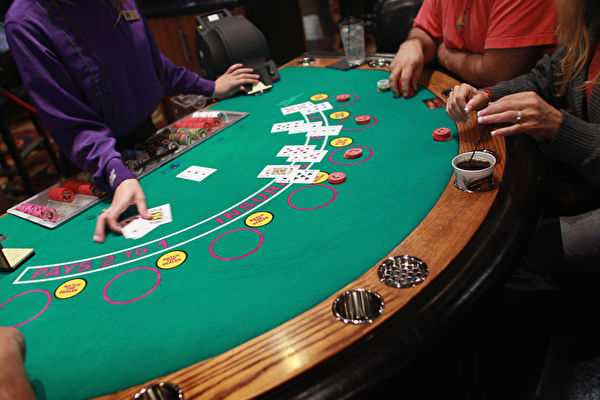
The compulsive nature of gambling often leads to isolation from friends and family. As the addiction worsens, individuals may prioritize gambling over personal relationships, leading to feelings of loneliness and despair. This isolation can further deteriorate mental health, making it challenging to seek help or support from loved ones, creating a vicious cycle of addiction and emotional distress.
Moreover, the stigma associated with gambling addiction can prevent individuals from seeking help. Many view gambling as a moral failing rather than a legitimate addiction, leading to feelings of shame and guilt. This societal perception can exacerbate feelings of worthlessness and hopelessness, pushing those affected further into their addiction and away from potential recovery options.
The Impact on Cognitive Function
Gambling can significantly impair cognitive functioning, affecting judgment, decision-making, and impulse control. Individuals engrossed in gambling often prioritize immediate rewards over long-term consequences, leading to poor life choices that can impact their careers, relationships, and overall well-being. Notably, many players are opting for no kyc casinos, which can sometimes obscure the risks involved.
Research indicates that excessive gambling can alter brain chemistry, affecting areas responsible for impulse control and reward processing. These neurological changes can make it increasingly difficult for individuals to resist the urge to gamble, even when they are aware of the detrimental effects on their mental health and finances. This cognitive decline can contribute to a growing sense of helplessness, making recovery seem unattainable.
Additionally, individuals may experience memory problems and diminished attention spans. These cognitive deficits can hinder personal and professional life, complicating daily tasks and leading to missed opportunities. Such challenges can further exacerbate feelings of inadequacy, reinforcing a negative self-image and perpetuating mental health issues.
The Role of Financial Stress in Mental Health
Financial strain is one of the most visible consequences of gambling, leading to significant mental health challenges. As individuals gamble away their savings, they often find themselves in precarious financial situations that heighten stress and anxiety. This financial burden can lead to a state of constant worry, leaving individuals feeling overwhelmed and trapped by their circumstances.
Moreover, the stress of financial instability can lead to conflicts within relationships, further aggravating mental health issues. Couples and families may experience heightened tension due to gambling-related debts, leading to arguments and emotional distress. This turmoil can further isolate the individual, contributing to a sense of desperation and hopelessness as they grapple with both their addiction and its repercussions on loved ones.
Beyond immediate financial concerns, the long-term effects of gambling on finances can lead to chronic stress and mental health deterioration. Individuals may find it increasingly difficult to maintain a stable job or secure financial future, which can lead to a perpetual cycle of anxiety and depression. This downward spiral can make recovery from gambling addiction even more challenging, as financial pressures continue to mount.
Understanding Co-Occurring Disorders
Many individuals struggling with gambling addiction also face co-occurring mental health disorders, such as depression, anxiety, or substance abuse. These concurrent issues can complicate the treatment and recovery process, as both the gambling addiction and the underlying mental health issues need to be addressed simultaneously. This complexity often requires a tailored approach to therapy that considers the interrelated nature of these disorders.
Moreover, individuals with pre-existing mental health conditions may turn to gambling as a means of coping, creating a dangerous cycle of addiction. For example, someone dealing with anxiety may gamble to escape their worries, only to find that the addiction exacerbates their anxiety, leading to further gambling as a misguided form of relief. This cyclical pattern can make recovery seem insurmountable for many.
Recognizing and treating both gambling addiction and co-occurring disorders is crucial for effective recovery. Integrated treatment approaches that address both aspects can foster a more comprehensive path to healing, helping individuals regain control over their lives. Awareness of this interplay can encourage individuals to seek help and support, breaking the cycle of addiction and mental health struggles.

Visit Our Resource for Help and Information
For those seeking information on the consequences of gambling on mental health, our website serves as a valuable resource. We provide educational materials, support options, and strategies for individuals grappling with gambling addiction and related mental health issues. Our goal is to raise awareness and facilitate access to essential resources that can aid in the recovery process.
By understanding the hidden consequences of gambling, individuals can take proactive steps toward recovery and seek the help they need. Whether you are looking for support for yourself or a loved one, our platform offers guidance and connections to professionals who specialize in addiction and mental health treatment. Empower yourself with knowledge and take the first step toward a healthier, more balanced life.